PHOTO ARCHIVE

Images, maps
and visual records.

A selected archive supporting the narrative of the author and the collection.

COMPARATIVE TIMELINE

Four topics. One changing visual memory.

Across four themes, this archive compares how the same Palenque monuments were recorded by different explorers, artists and archaeologists. The compact timeline makes shifts in observation, interpretation and documentation easy to follow.

THEME 1 OF 4

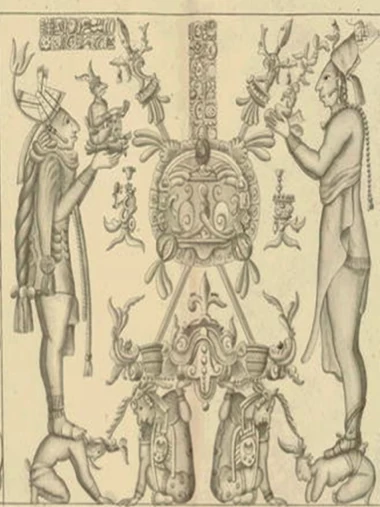
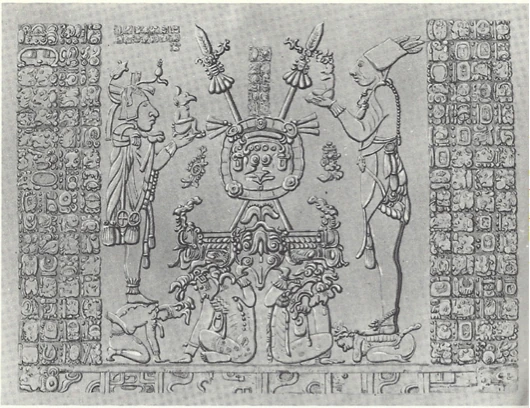
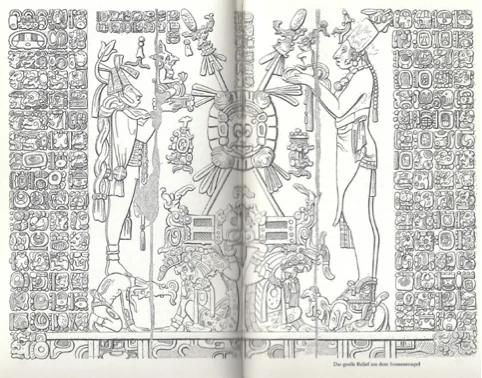
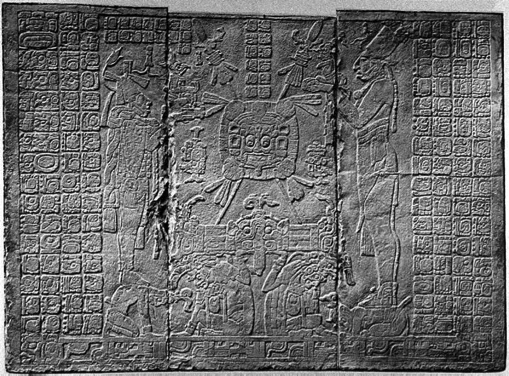
The Tablet of the Temple of the Sun

This famous relief from Palenque depicts a royal succession and the transfer of power.
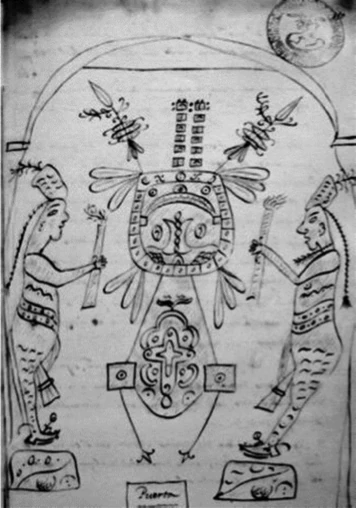
  • The RulersOn the left, King K'inich K'an Joy Chitam II stands atop a captive warrior. On the right, his father, the great King K'inich Janaab' Pakal I, presents him with the royal crown.
  • The CenterA sacred sun mask emblem is surrounded by celestial and serpent motifs.
  • The HieroglyphsThe surrounding glyph blocks document the exact historical date and genealogy of this power transition.
Different records of the same object
1784
Calderón 1784 record
Calderón 1784
1787
Armendariz record
Armendariz 1787
1839
Caddy record
Caddy 1839
1840
Catherwood record
Catherwood 1840
1889–1902
Maudslay record
Maudslay 1889-1902
THEME 2 OF 4

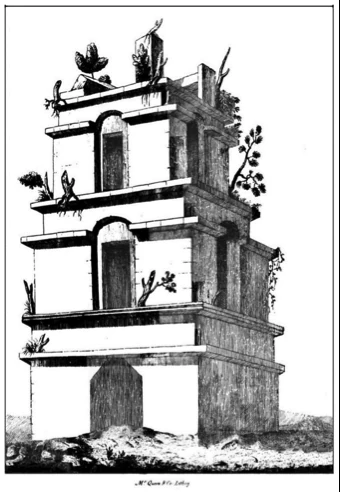
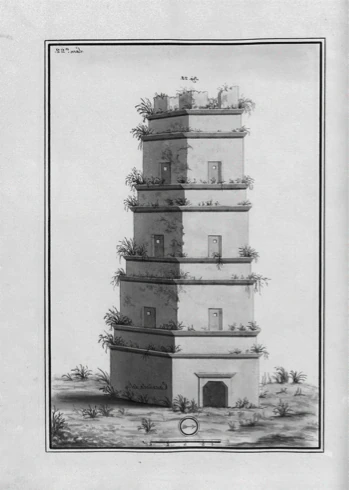
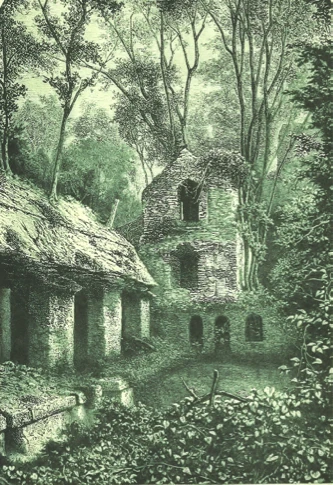
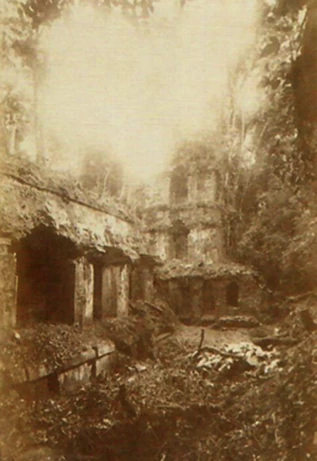
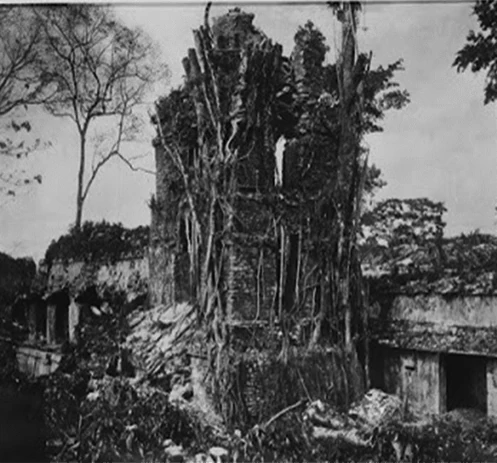
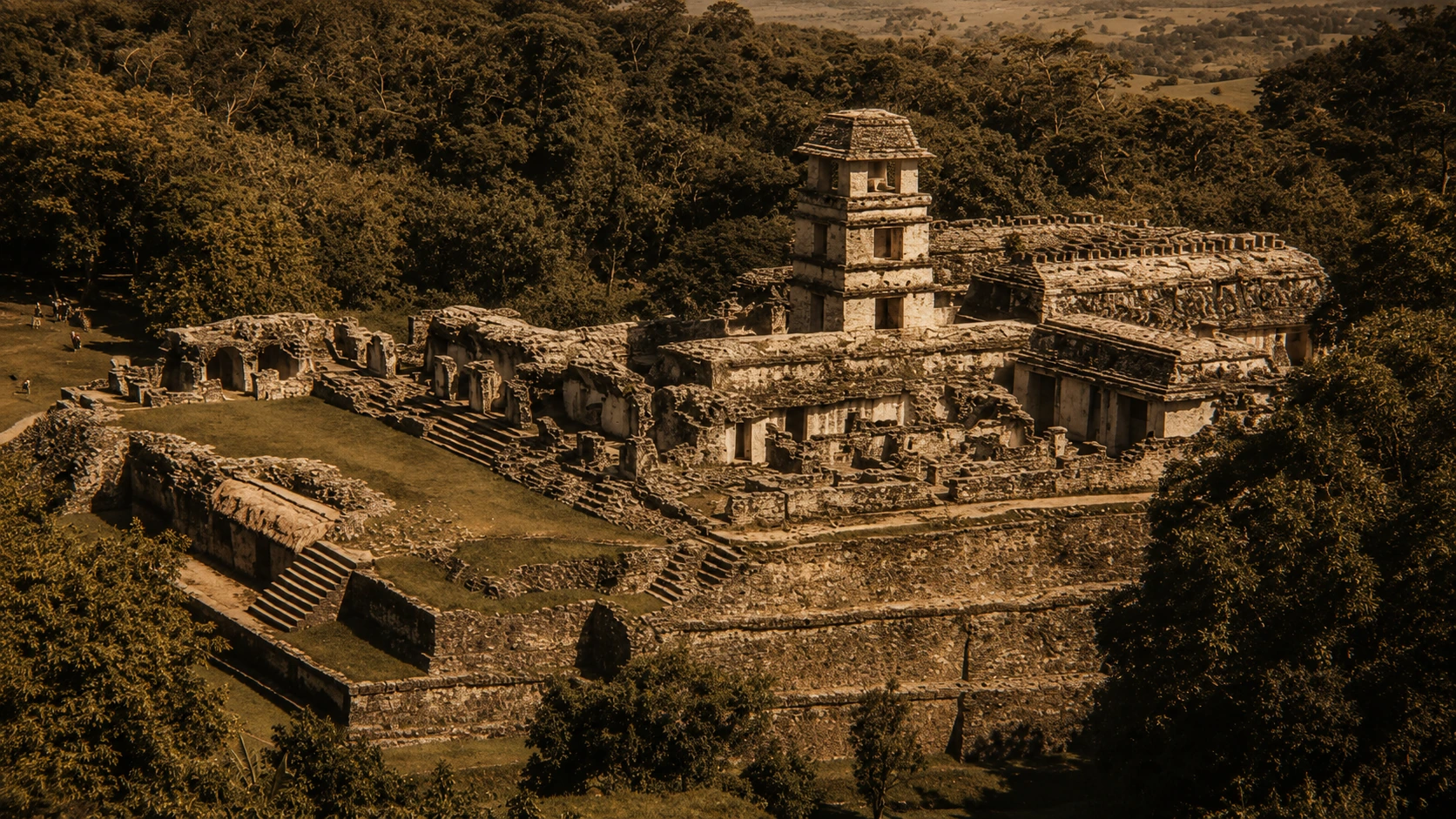
The Palace Tower of Palenque

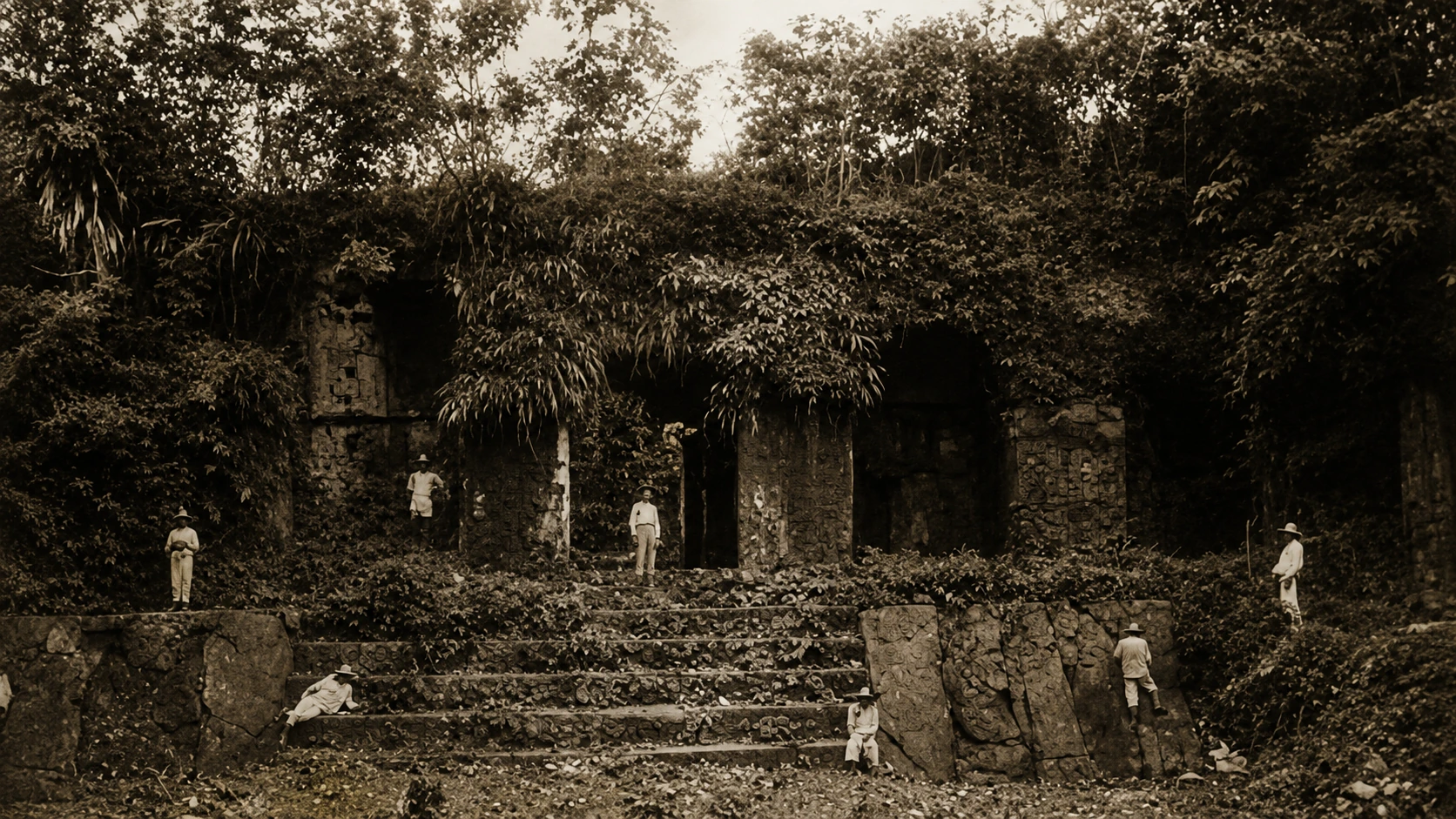
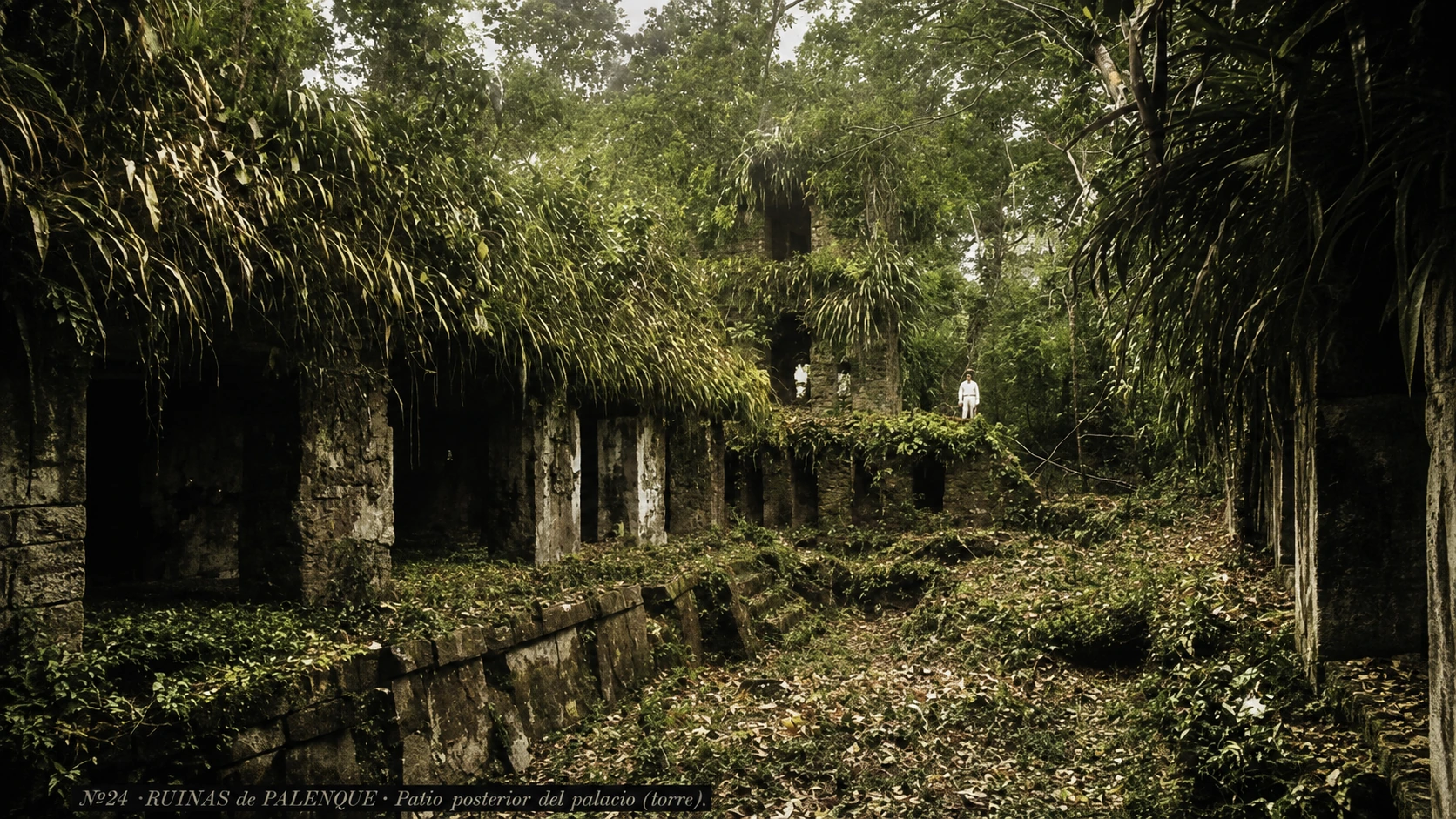
A compact comparison of one of Palenque’s most iconic buildings, traced through drawings and photographs across more than three centuries.
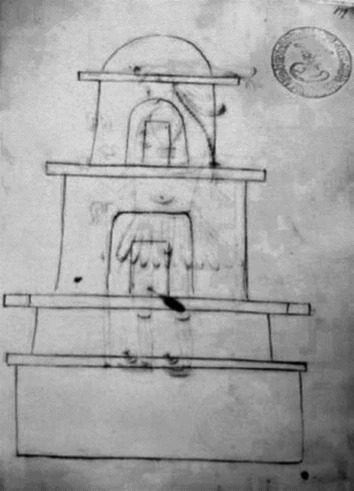
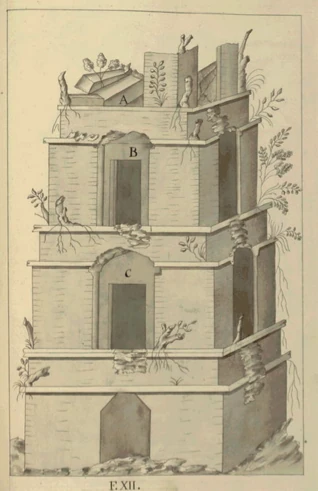
  • Unique ArchitectureUnlike typical low-slung Maya structures, the Palace Tower is a distinctive multi-story square tower, often compared to a pagoda or watchtower.
  • LocationIt stands within the main Palace complex at the ancient Maya site of Palenque.
  • Function & HistoryIt is often believed to have served as an astronomical observatory or a lookout tower for elite rulers. Its tiered design made it one of the most recognizable landmarks in Mesoamerican archaeology.
Different records of the same object
1784
Calderón 1784 record
Calderón 1784
1787
Armendariz record
Armendariz 1787
1822
Waldeck record
Waldeck 1822
1834
Castañeda 1834 record
Castañeda 1834
1860
Charnay record
Charnay 1860
1881
Charnay record
Charnay 1881
1889–1902
Maudslay record
Maudslay 1889-1902
THEME 3 OF 4

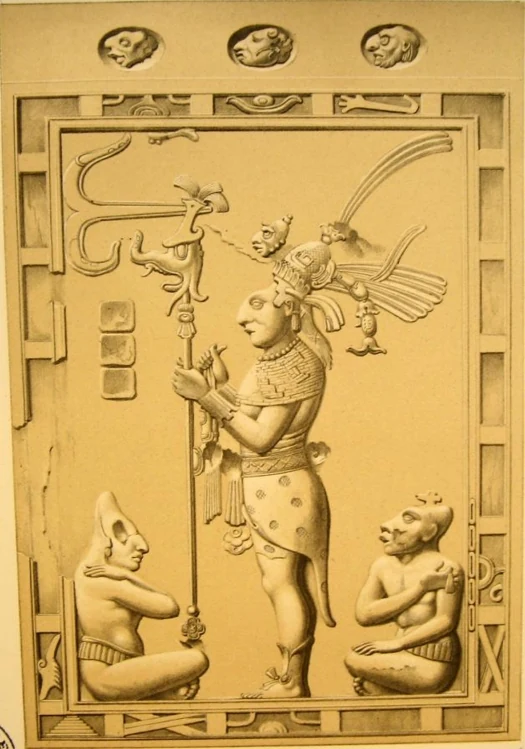
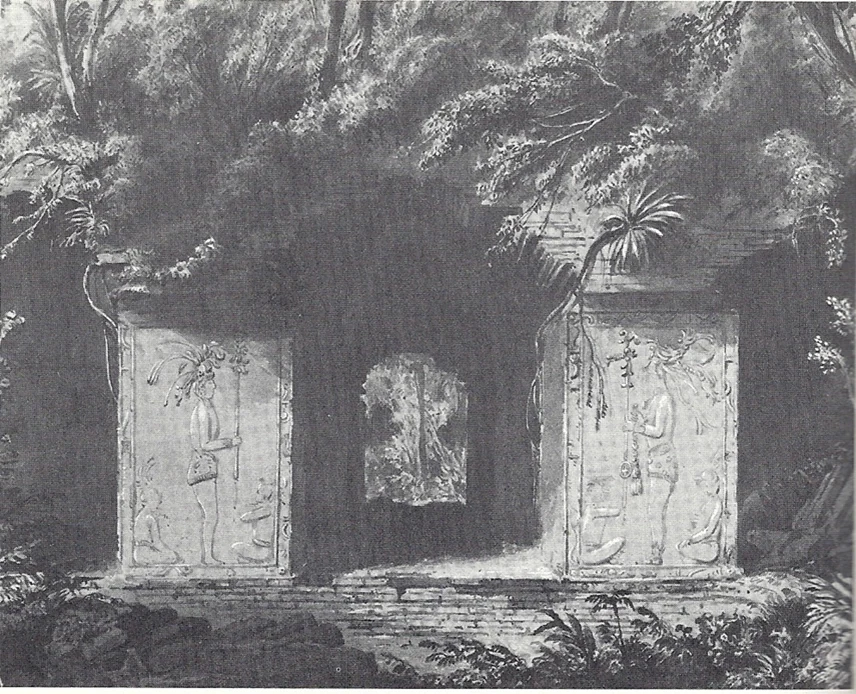
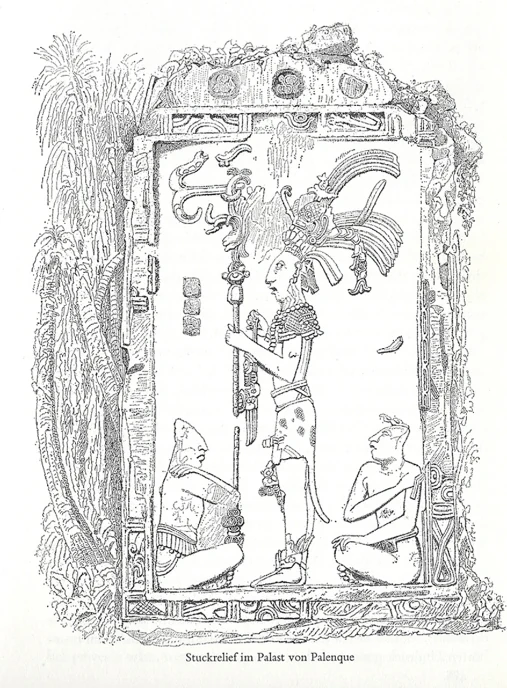
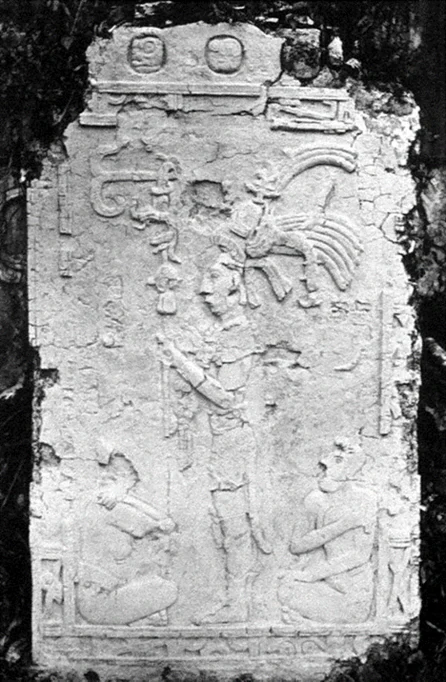
The Stucco Relief from the Palace of Palenque

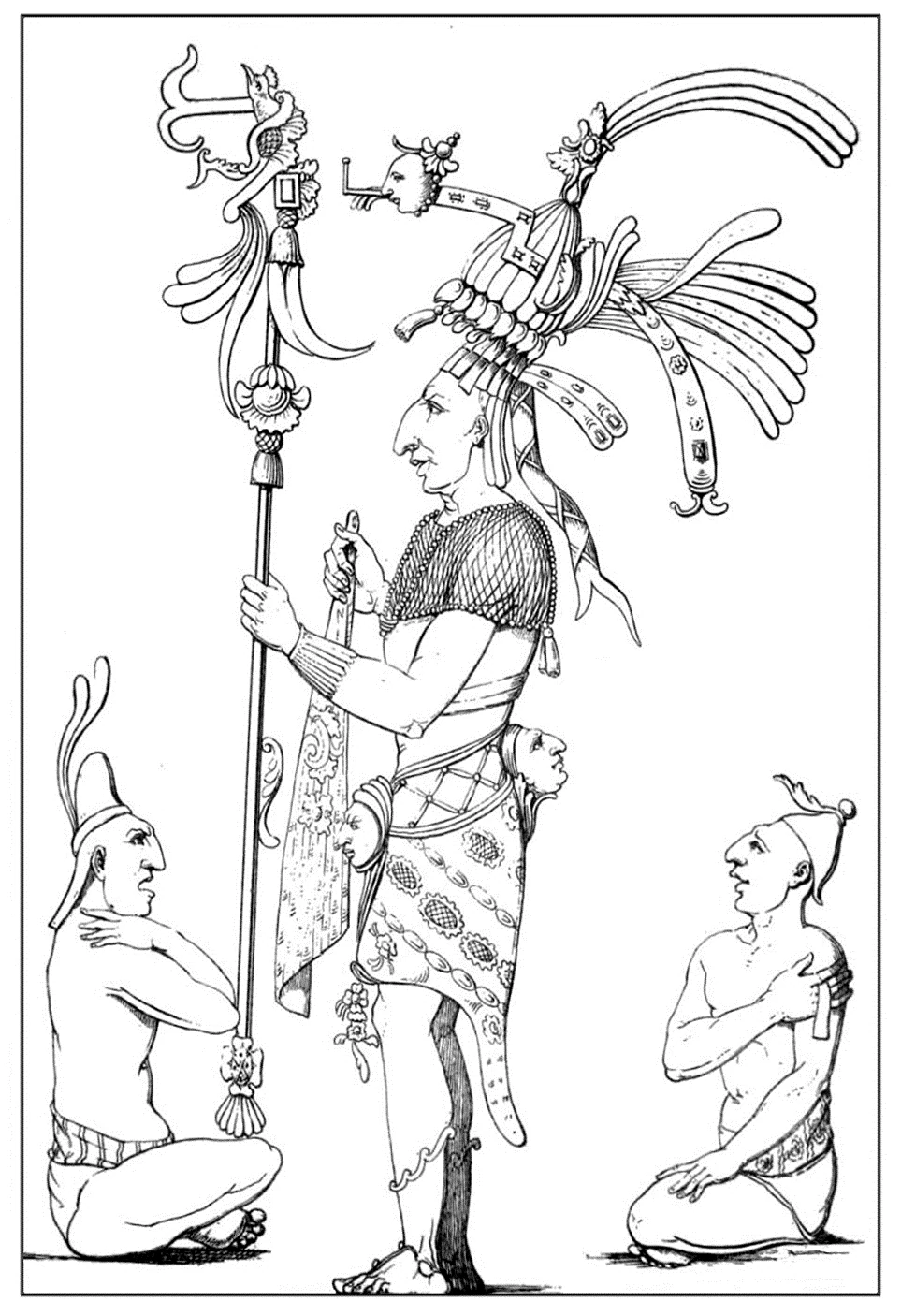
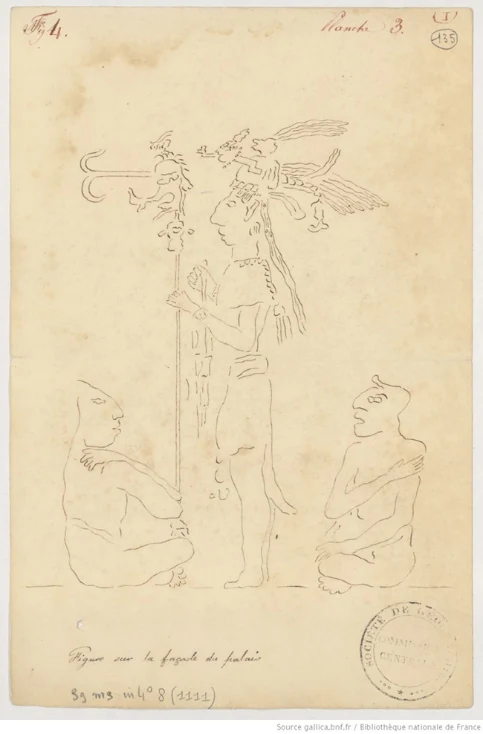
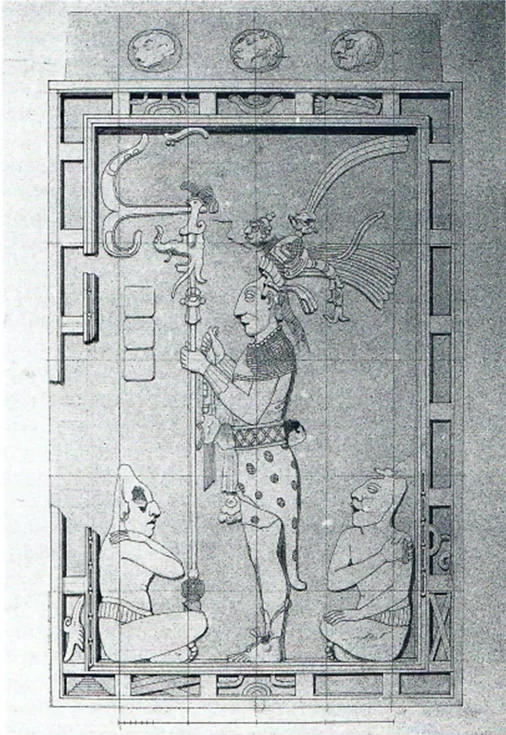
This famous relief scene shows how a single courtly image was copied, redrawn and documented over time.
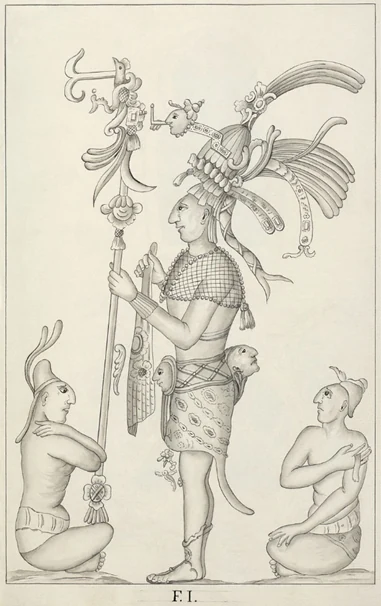
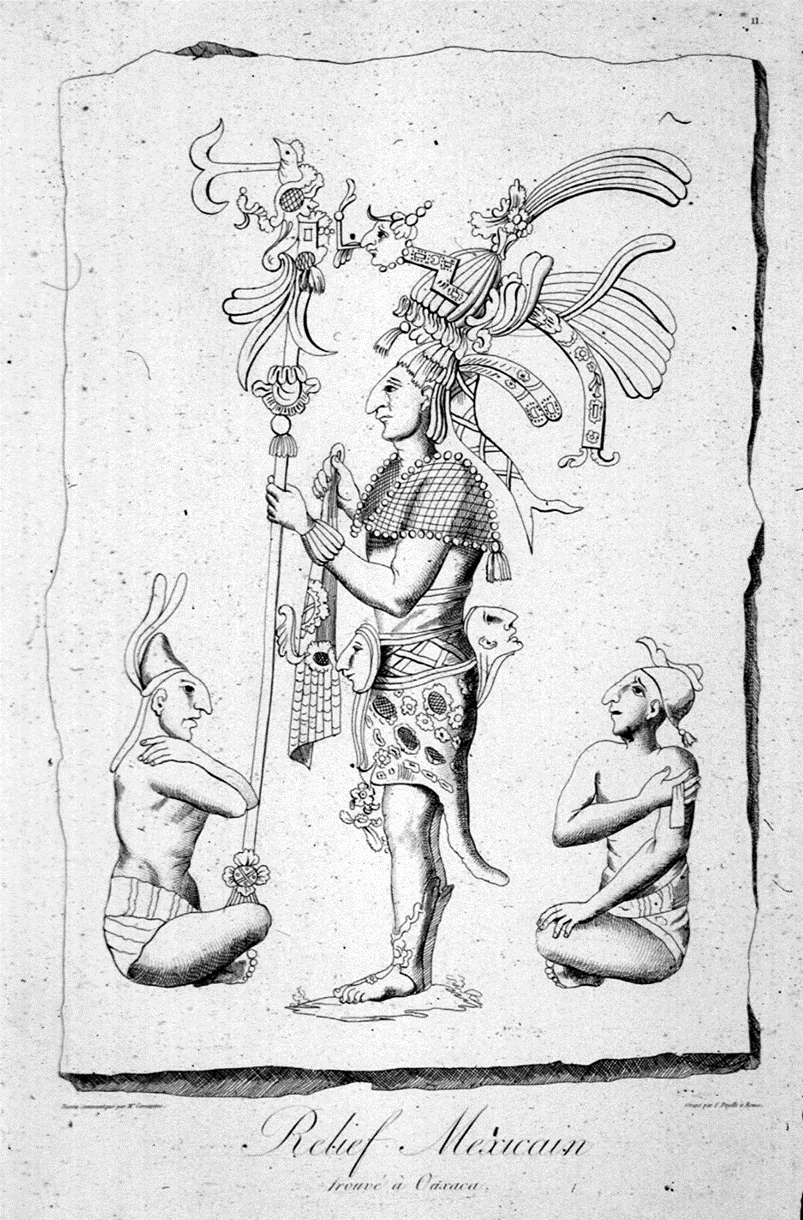
  • The Central FigureA standing ruler or noble figure wears an elaborate feathered headdress and ornate regalia while holding a tall ceremonial staff.
  • The AttendantsTwo smaller figures kneel on either side, looking upward toward the central figure.
  • The SettingSome records isolate the figures, while others preserve the relief within its original architectural frame inside the Palace.
Different records of the same object
1787
Armendariz 1787 record of the stucco relief
Armendariz 1787
1810
Plate from Oaxaca 1810 record of the stucco relief
Plate from Oaxaca 1810
1822
Waldeck 1822 record of the stucco relief
Waldeck 1822
1831
Galindo 1831 record of the stucco relief
Galindo 1831
1832/33
Waldeck 1832/33 documented record of the stucco relief
Waldeck 1832/33
1832/33
Waldeck 1832/33 documented record of the stucco relief
Waldeck 1832/33
1839
Caddy 1839 record of the stucco relief
Caddy 1839
1840
Catherwood 1840 record of the stucco relief
Catherwood 1840
1889-1902
Maudslay 1889-1902 photographic record of the stucco relief
Maudslay 1889-1902
THEME 4 OF 4

Pakal, the Jaguar Throne and Royal Accession

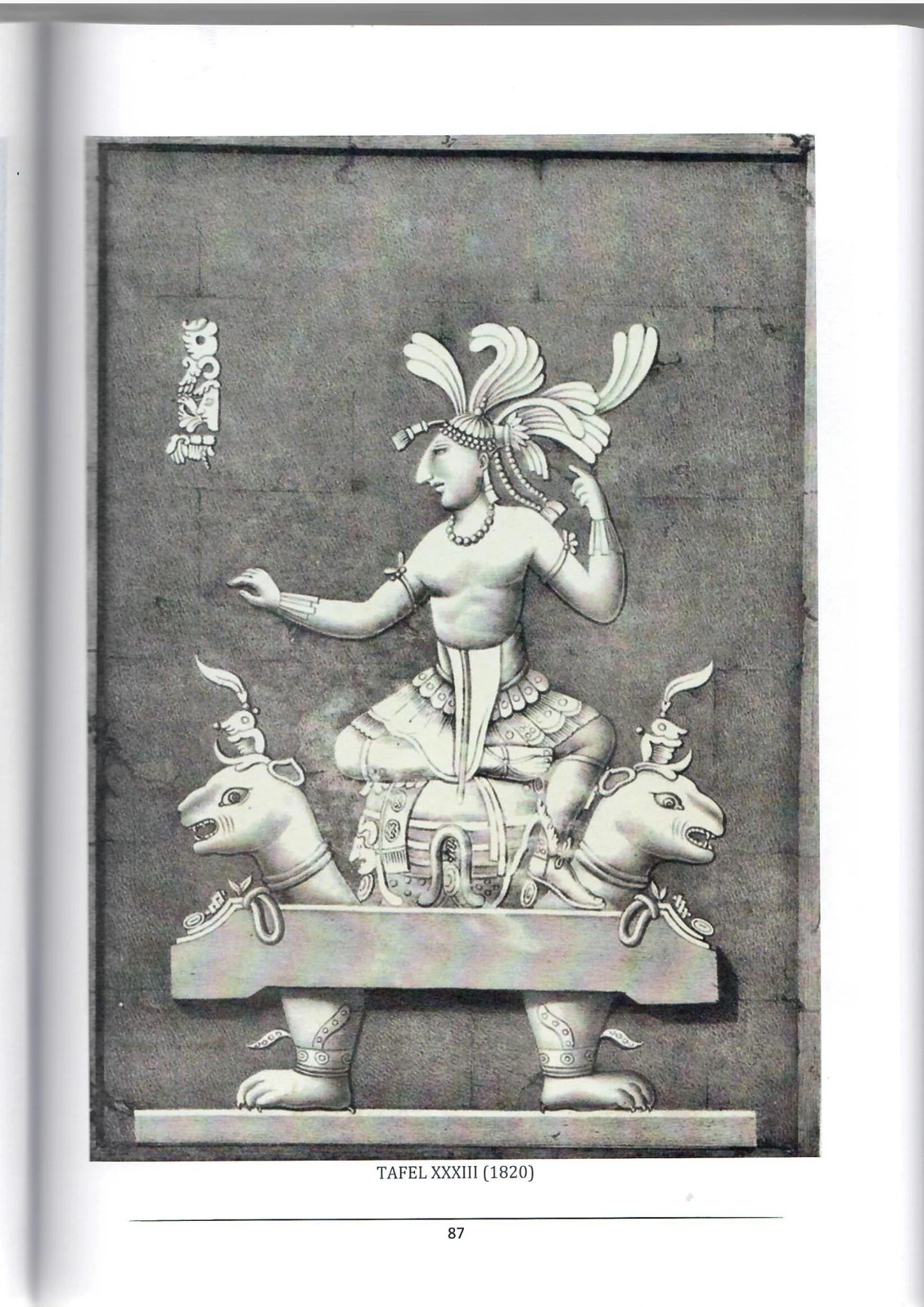
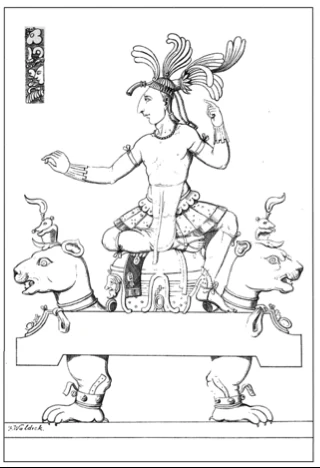
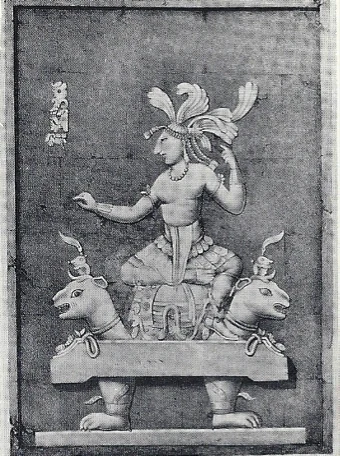
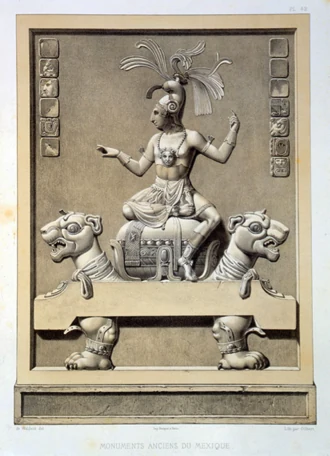
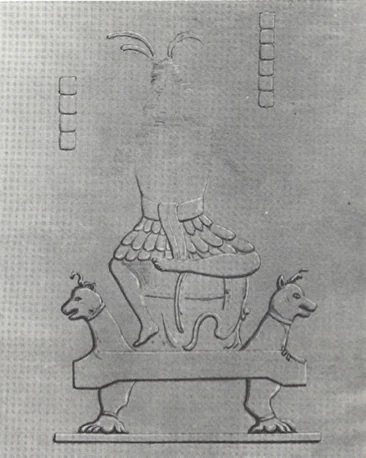
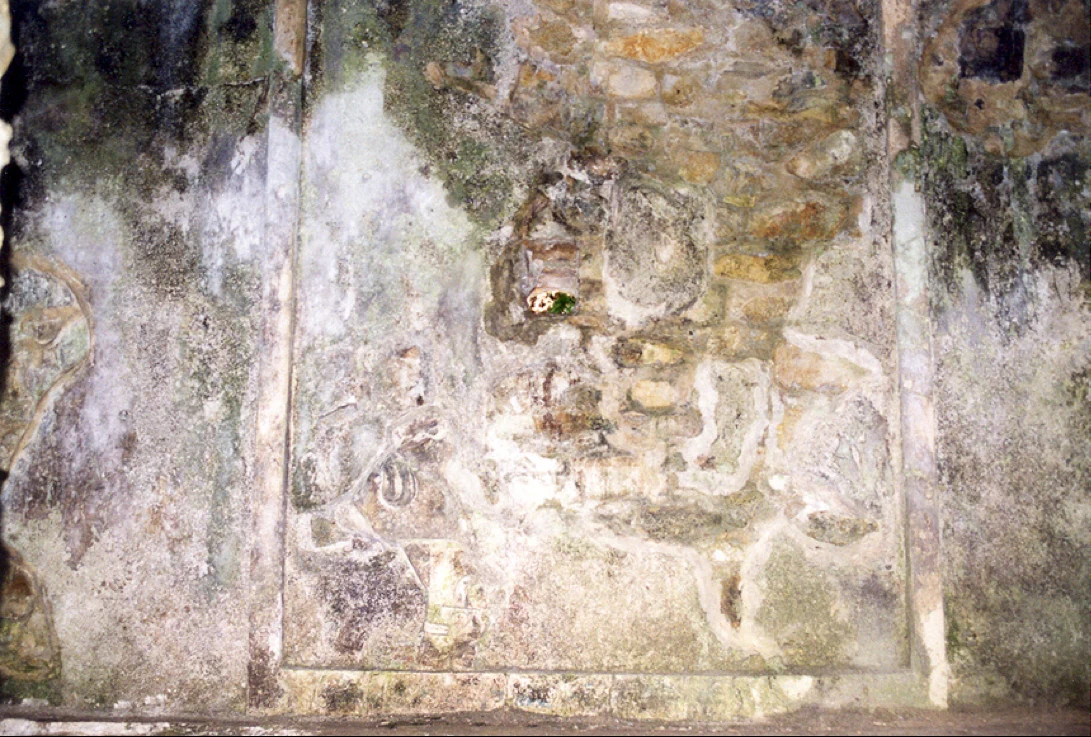
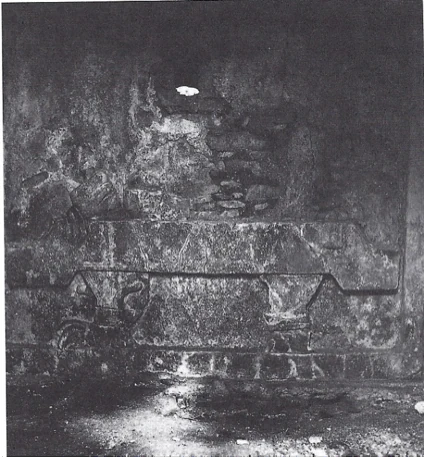
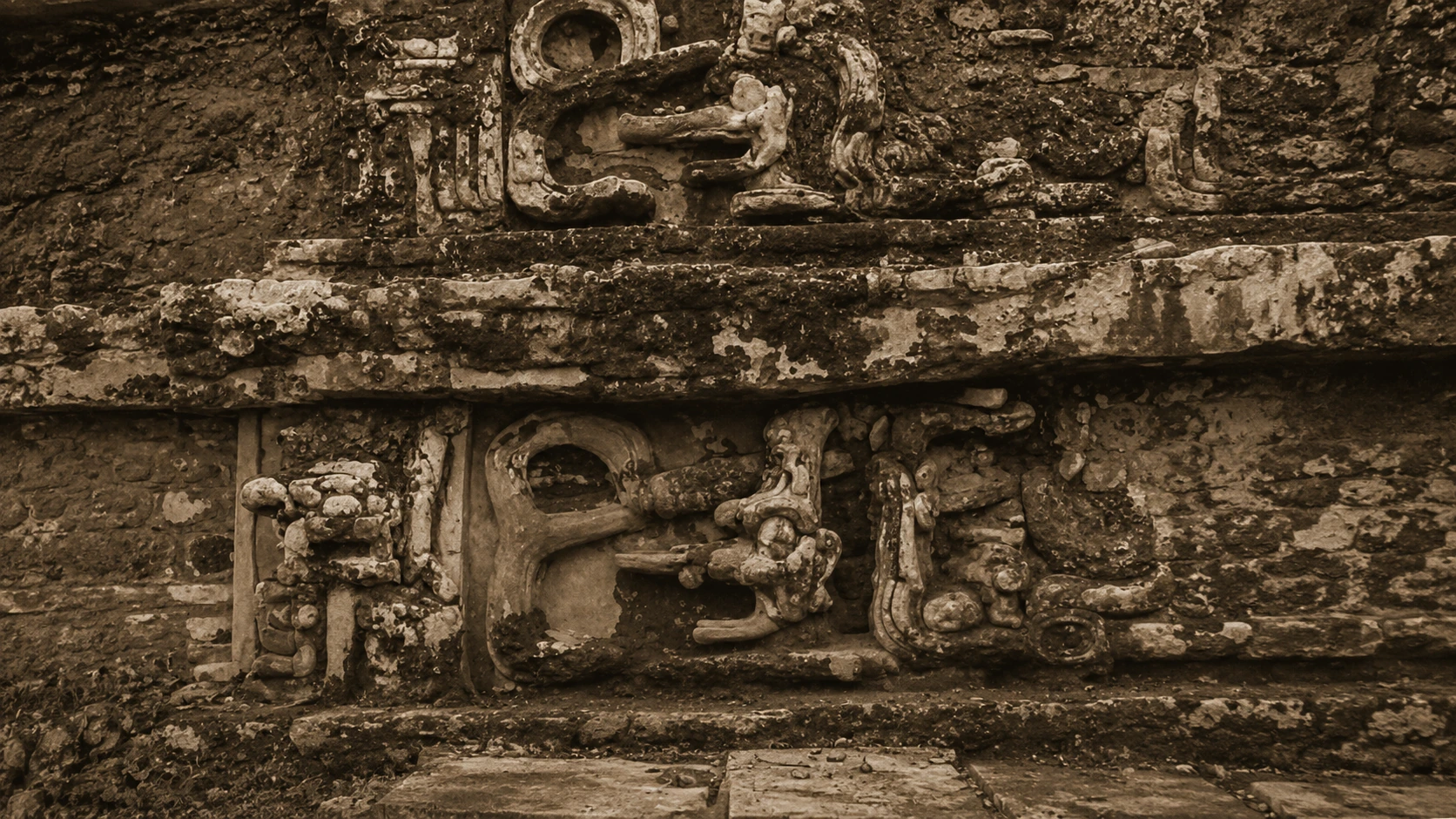
These images bring together historical drawings, lithographs and present-day photographs to explain one of Palenque’s most important royal images: the accession of K’inich Janaab’ Pakal. The earlier records reconstruct the composition in greater detail, while the photographs show how much of the original stucco relief has been lost through weathering and erosion.
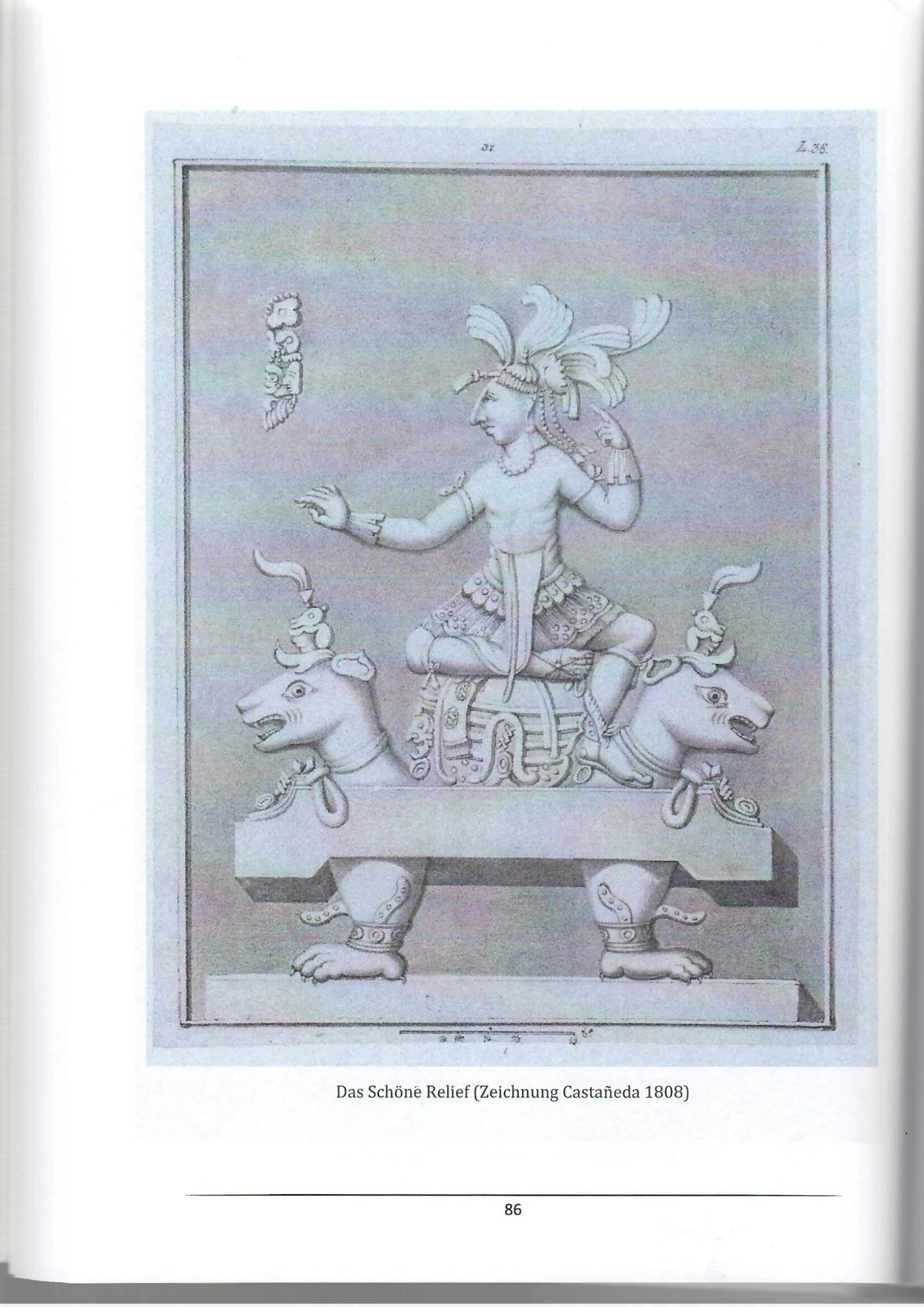
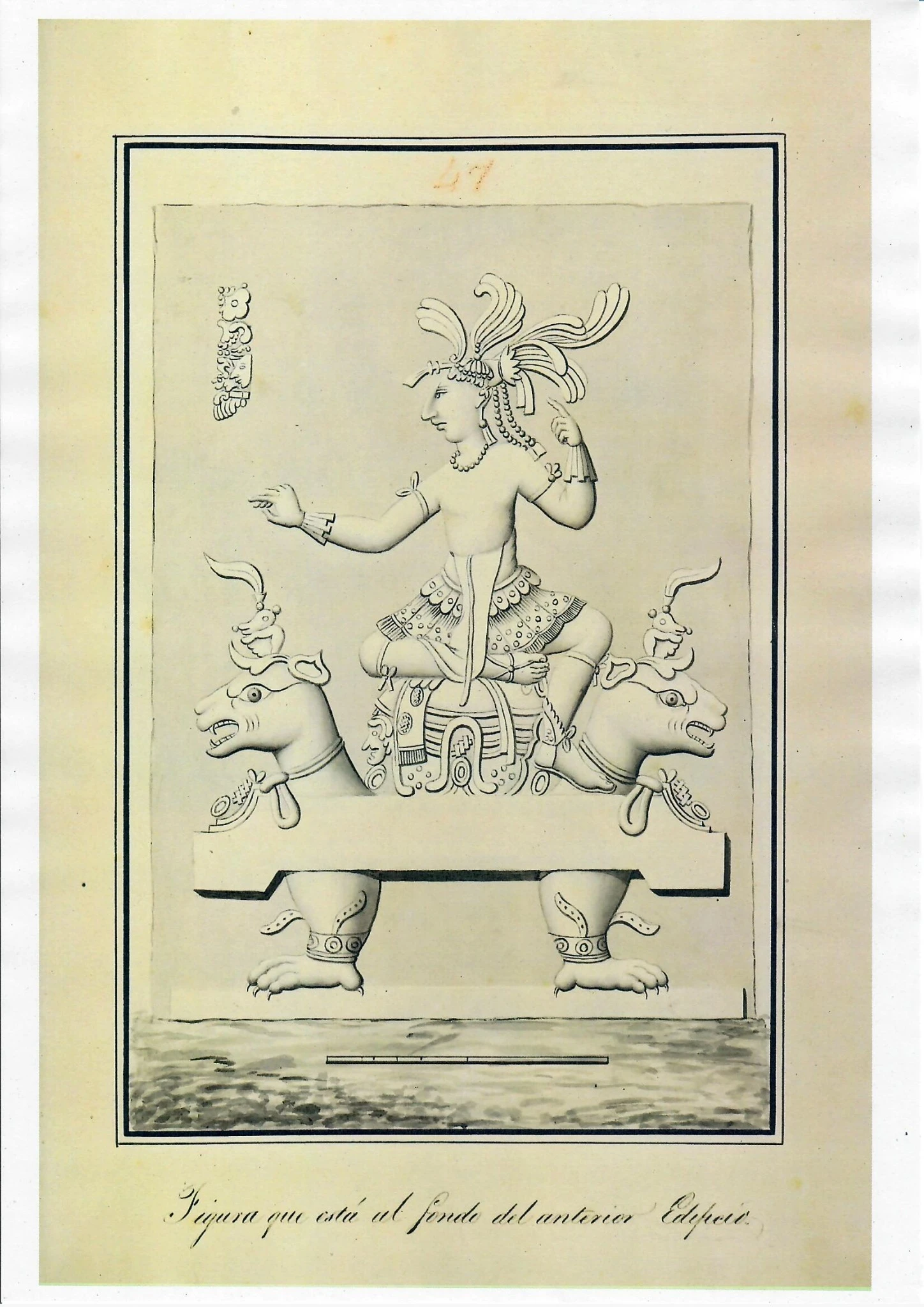
  • The Accession SceneThe composition is associated with the Oval Palace Tablet in House E of the Palace. Pakal is shown as a young ruler seated on a symbolic double-headed jaguar throne. His mother, Queen Sak K’uk’, presents him with an ornate warrior headdress or insignia of rulership, marking his accession in 615 CE, when he was only twelve years old.
  • The Jaguar Throne and PakalThe jaguar was a powerful symbol of royal authority, strength, night and the underworld. Here the double-headed jaguar throne emphasizes Pakal’s status as ruler. K’inich Janaab’ Pakal later presided over a long period of cultural, artistic and architectural flourishing at Palenque, and many of the city’s best-known monuments were created during his reign and under his sons.
  • From Palace Image to Royal TombPakal is also closely associated with the Temple of the Inscriptions, where his tomb was discovered in 1952 by the Mexican archaeologist Alberto Ruz Lhuillier. The burial contained the famous carved sarcophagus lid—often interpreted as showing the ruler’s passage between cosmic realms—and his celebrated jade funerary mask. Seen together, the records in this sequence connect a damaged palace image with the wider visual and political legacy of Palenque’s best-known ruler.
Historical reconstructions and surviving traces of the same royal image
1808
Castañeda 1, 1808 record
Castañeda 1 1808
1808
Castañeda 2, 1808 record
Castañeda 2 1808
1820
Armendariz 1820 record
Armendariz 1820
1822
Waldeck outline study of the King on the Jaguar Throne
Waldeck 1822
1832
Waldeck documented interpretation of the King on the Jaguar Throne
Waldeck 1832
1838
Waldeck lithograph of the King on the Jaguar Throne
Waldeck 1838
1839
Caddy 1839 record
Caddy 1839
Today
Present-day photograph of the weathered surviving stucco relief associated with Pakal and the jaguar throne
Current state — surviving stucco relief
Today
Present-day detail photograph of the weathered stucco remains associated with Pakal and the jaguar throne
Current state — surviving details of the relief